
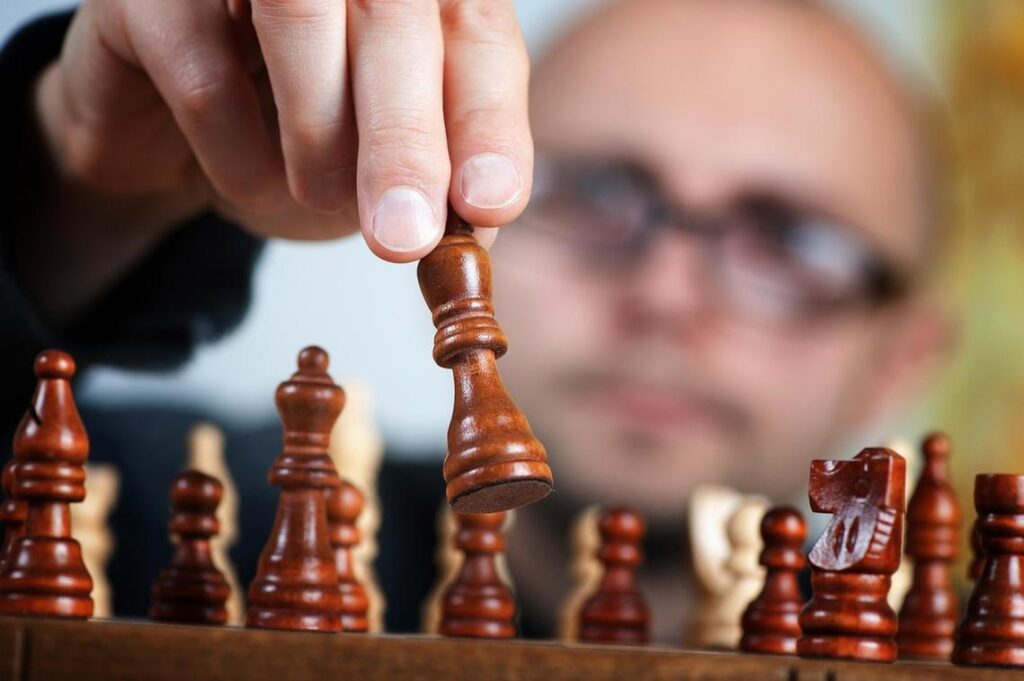
There’s a big difference between playing for fun and playing to win. Many talented players hit a frustrating plateau—not because they lack skill, but because they lack structure. Raw mechanics and fast reaction times can carry you only so far. In competitive gaming, discipline, preparation, and decision-making separate contenders from champions. This guide breaks down the core competitive gaming strategies, mental models, and practice routines that top-tier players rely on. You’ll get a clear, actionable framework to sharpen your focus, refine your tactics, and systematically elevate your gameplay—no matter the game or genre you compete in.
Mastering the Mental Game: Your Foundation for Victory
You’ve practiced mechanics for hours. You’ve studied patch notes. You’ve optimized your setup. And yet—one bad play and everything spirals. That’s the frustration no one talks about.
The mental game is the unseen skill separating consistent winners from talented players who crumble under pressure. Mechanical skill gets highlights. Mental fortitude wins tournaments.
Tilt Control and Emotional Regulation
Let’s define tilt: a state of emotional frustration that disrupts decision-making and reaction time. It’s that moment when one mistake turns into three because you’re playing angry instead of smart. (We’ve all said “I’m fine” while absolutely not being fine.)
Common reset tools:
- Tactical breathing: inhale four seconds, hold four, exhale four.
- Short physical breaks: stand up between rounds.
- Mental anchor phrases like “Next play” to refocus forward.
Recognizing tilt early is half the battle. If your self-talk turns negative or reckless aggression spikes, pause.
Decision-Making Under Pressure
High-quality decisions under stress rely on heuristics—simple mental shortcuts for common scenarios. Instead of overthinking, pre-decide rules: “If outnumbered, disengage.” “If ultimate advantage, force objective.” These reduce cognitive load when fatigue hits.
Studying competitive gaming strategies helps you internalize patterns so choices feel automatic rather than overwhelming.
Building Focus and Endurance
Long matches expose weak stamina. Poor sleep, dehydration, and skipping meals sabotage concentration. Annoying truth? Basics matter.
- Hydrate consistently.
- Maintain a pre-game routine.
- Protect sleep before tournaments.
Peak focus isn’t hype. It’s preparation. And preparation wins.
Strategic Preparation: Winning Before the Match Begins
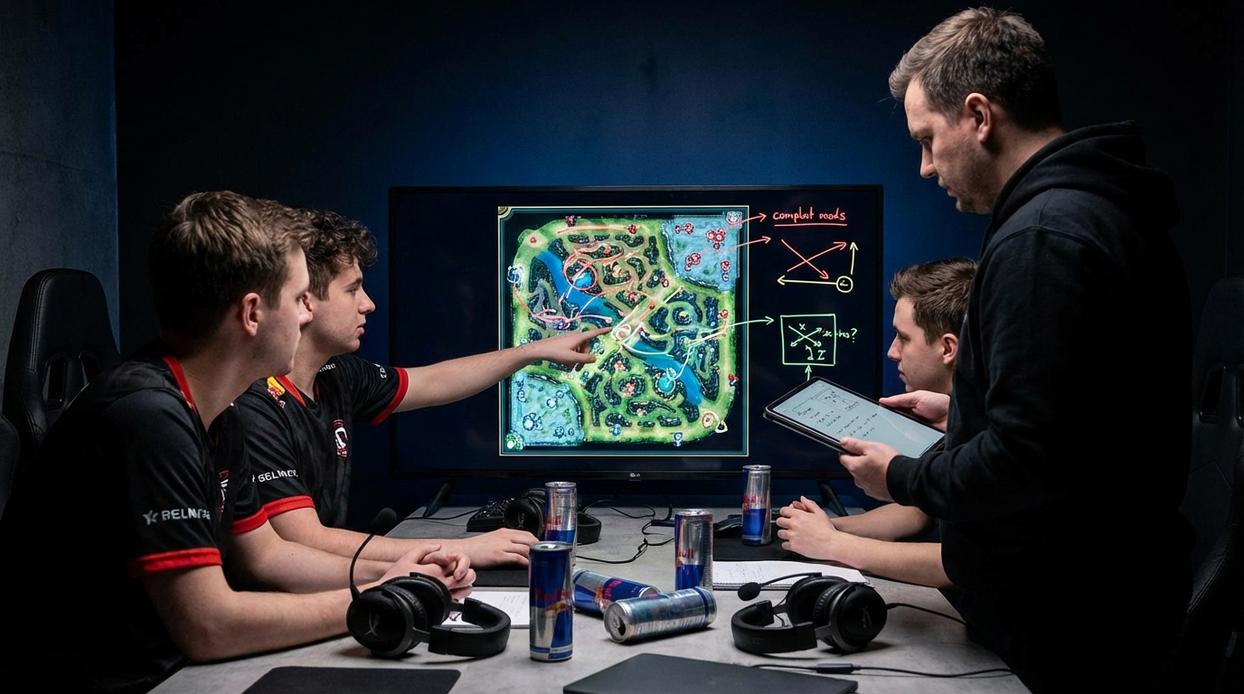
Most players think matches are won by mechanics. Evidence says otherwise. A 2019 study in Frontiers in Psychology found that expert esports athletes outperform peers largely due to superior decision-making and pattern recognition—not raw reaction speed. In other words, preparation beats panic.
VOD Review That Actually Works
A VOD (Video on Demand) review is the structured analysis of recorded gameplay. The mistake? Most players rewatch highlights instead of habits.
Focus on:
- Recurring decision errors (overextending after a kill)
- Timing mismanagement (late rotations, missed power spikes)
- Missed opportunities (unused ultimates, ignored map pressure)
In League of Legends, for example, tracking every death and labeling the cause (vision gap, greed, poor wave state) reveals patterns within five games. Pro teams publicly credit replay review as a cornerstone of improvement—T1’s coaching staff has emphasized structured VOD blocks in multiple interviews.
(Yes, it’s less glamorous than frag montages—but far more effective.)
Scouting and Opponent Analysis
Studying an opponent’s match history exposes tendencies. Do they always contest first objective? Do they favor aggressive peeks on defense?
Create a short pre-game plan:
- Identify their comfort picks
- Note predictable rotations
- Pinpoint tilt patterns after early losses
This transforms guesswork into competitive gaming strategies grounded in evidence. Chess grandmasters prepare this way; esports pros do too.
Understanding and Adapting the Meta
The metagame (meta) refers to dominant strategies statistically proven to win most often. In many competitive titles, pick rates and win rates are publicly tracked. Sites compiling match data show clear tier differences patch to patch.
You can either:
- Master the meta (optimize top-tier tools)
- Counter it (target its structural weaknesses)
Both require studying patch notes and data trends. For deeper insight, review understanding risk vs reward in modern multiplayer games.
The Power of Deliberate Practice
Grinding is repetition. Deliberate practice isolates one skill with measurable feedback (Ericsson, 1993).
Examples:
- FPS: 20-minute aim trainer drills tracking headshot percentage
- Fighting games: Repeating one combo until 95% execution success
- MOBAs: Practicing creep-clearing patterns for perfect CS at 10 minutes
Pro tip: Track metrics weekly. What gets measured improves (even if your ego doesn’t like the numbers).
In-Game Execution: Core Tactical Frameworks
Have you ever wondered why you lost a match that felt “even” the entire time? More often than not, it comes down to execution fundamentals.
-
Universal Resource Management
Every competitive title revolves around resources—finite assets that determine what actions you can take. This could mean health and ammo in an FPS, cooldown timers in a MOBA, or gold economy in a strategy game. The goal isn’t just maximizing your own resources; it’s starving your opponent of theirs. Force reloads before pushing. Bait out a key ultimate before a team fight. Drain their economy so they can’t full-buy next round. Sound familiar? That slow squeeze is intentional pressure. Meanwhile, you conserve, stack, and strike when they’re weakest. -
Positional Superiority and Map Control
Next, consider positioning—the art of occupying spaces that increase your options while limiting the enemy’s. High ground in a shooter grants vision and recoil advantage. In MOBAs, ward control denies safe movement. In fighting games, stage control corners opponents and restricts escape routes. Superior positioning quietly dictates the match (even if the scoreboard looks close). Ask yourself: are you reacting, or are they? -
Controlling Tempo and Pacing
Finally, tempo refers to the speed and rhythm of engagement. When ahead, you “snowball” by accelerating pressure before opponents stabilize. When behind, you slow the pace, farm safely, and bait overextensions. Recognizing powerspikes—moments of sudden strength—lets you flip momentum instantly.
Mastering these competitive gaming strategies turns chaos into calculated control.
Integrating Strategy Into Every Session
Mastery in gaming doesn’t happen by accident. It’s built on three pillars: a resilient mindset, meticulous preparation, and flawless tactical execution. When these elements work together, improvement becomes predictable—not random. Playing more matches isn’t enough. Progress comes from applying proven frameworks consistently and refining your approach every session.
Skill is built intentionally. The competitive gaming strategies you’ve explored here are tools—meant to be practiced, measured, and sharpened.
Now take action. Choose one concept—VOD review or tempo control—and commit to implementing it in your next five gaming sessions. Focus deeply. Track results. Elevate your play with purpose.
 Founder & Chief Visionary
Timothy Patrickidder has opinions about esports tournament insights. Informed ones, backed by real experience — but opinions nonetheless, and they doesn't try to disguise them as neutral observation. They thinks a lot of what gets written about Esports Tournament Insights, Deep Dives, Game Event Meta Analyses is either too cautious to be useful or too confident to be credible, and they's work tends to sit deliberately in the space between those two failure modes.
Reading Timothy's pieces, you get the sense of someone who has thought about this stuff seriously and arrived at actual conclusions — not just collected a range of perspectives and declined to pick one. That can be uncomfortable when they lands on something you disagree with. It's also why the writing is worth engaging with. Timothy isn't interested in telling people what they want to hear. They is interested in telling them what they actually thinks, with enough reasoning behind it that you can push back if you want to. That kind of intellectual honesty is rarer than it should be.
What Timothy is best at is the moment when a familiar topic reveals something unexpected — when the conventional wisdom turns out to be slightly off, or when a small shift in framing changes everything. They finds those moments consistently, which is why they's work tends to generate real discussion rather than just passive agreement.
Founder & Chief Visionary
Timothy Patrickidder has opinions about esports tournament insights. Informed ones, backed by real experience — but opinions nonetheless, and they doesn't try to disguise them as neutral observation. They thinks a lot of what gets written about Esports Tournament Insights, Deep Dives, Game Event Meta Analyses is either too cautious to be useful or too confident to be credible, and they's work tends to sit deliberately in the space between those two failure modes.
Reading Timothy's pieces, you get the sense of someone who has thought about this stuff seriously and arrived at actual conclusions — not just collected a range of perspectives and declined to pick one. That can be uncomfortable when they lands on something you disagree with. It's also why the writing is worth engaging with. Timothy isn't interested in telling people what they want to hear. They is interested in telling them what they actually thinks, with enough reasoning behind it that you can push back if you want to. That kind of intellectual honesty is rarer than it should be.
What Timothy is best at is the moment when a familiar topic reveals something unexpected — when the conventional wisdom turns out to be slightly off, or when a small shift in framing changes everything. They finds those moments consistently, which is why they's work tends to generate real discussion rather than just passive agreement.