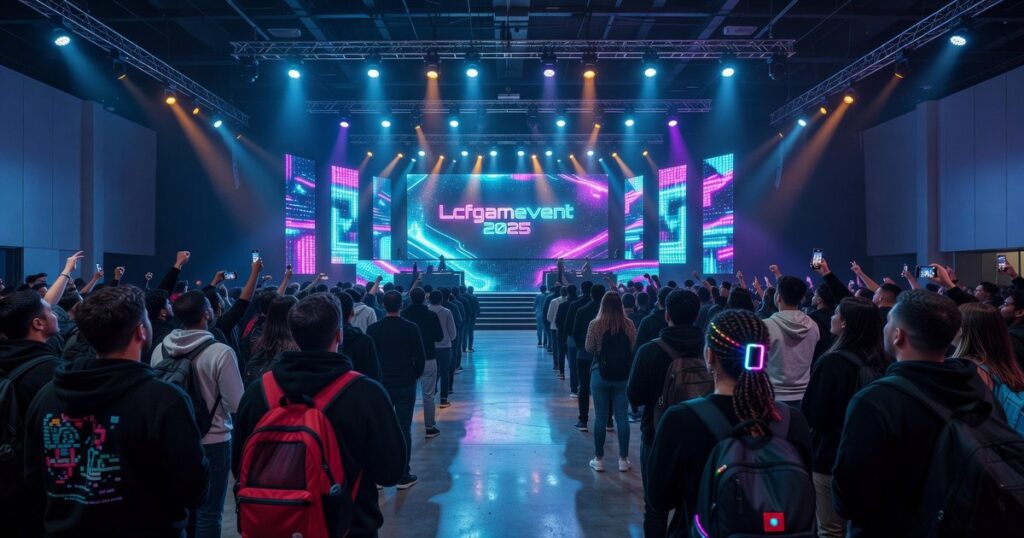
I’ve organized over a hundred gaming fundraisers in Sacramento, and I can tell you the hardest part isn’t getting gamers to show up.
It’s figuring out how to turn that energy into real money for your cause.
You want to do something good for your community. You know gaming events can draw a crowd. But when you sit down to plan it, the questions pile up fast. Where do you even start?
Here’s what I’ve learned: most gaming fundraisers fail because people skip the basics. They focus on the flashy stuff and forget the framework that actually makes these events work.
I’ve spent years breaking down what separates packed tournaments that hit their goals from the ones that fizzle out. The patterns are clear once you know what to look at.
This guide walks you through everything. From picking the right games to setting up your space to getting people through the door. And most important, how to make sure you actually raise the money you’re aiming for.
At lcfgamevent, we’ve analyzed hundreds of grassroots gaming events. We know what works and what doesn’t because we’ve seen both play out in real time.
You’ll get the exact framework to take your idea from “this could be cool” to an event that fills seats and supports your cause.
No fluff. Just the steps that matter.
Step 1: Laying the Foundation – Mission, Goals, and Audience
Before you book a venue or pick a game, you need to answer one question.
Why are you doing this?
I’m serious. If you can’t explain your purpose in one sentence, you’re going to struggle when it comes time to get people excited.
Last year I talked to a tournament organizer in Ohio who told me something I’ll never forget. “We raised $3,000 for the local food bank because everyone knew exactly where the money was going. When people see the ‘why,’ they show up.”
That’s your starting point.
Define Your Mission and Set Real Goals
Pick your cause. Make it specific. Not “helping kids” but “funding new computers for the middle school esports club.” People connect with concrete needs.
Then set a goal that actually means something. I’m talking SMART here. Specific, Measurable, Achievable, Relevant, and Time-bound.
Instead of “raise money for charity,” try “$1,500 for the town library’s youth program by October 30th.” See the difference? One gives you a target. The other is just wishful thinking.
Now figure out who you’re inviting. Competitive players want prize pools and serious rulesets. Families want accessible games and a welcoming vibe. You can mix both, but you need to know going in.
Your audience shapes everything at lcfgamevent. The games you pick, how you market it, even the snacks you serve.
Pick Your Date and Location
Scout your venue early. Community centers and school gyms work great if they have enough power outlets and stable internet (because nothing kills a tournament faster than lag).
One organizer I spoke with learned this the hard way. “We booked a perfect space but didn’t check the WiFi. Spent the whole morning troubleshooting instead of running games.”
Check local calendars too. You don’t want to compete with the state championship or a major holiday weekend.
Step 2: Crafting the Main Event – Games and Format
Here’s where most people mess up.
They pick games they like instead of games that actually work for events.
I’ve seen organizers choose obscure fighting games because they’re “more technical” or “underrated.” Then they wonder why half the room sits around looking confused.
Tournament vs. casual play. You need to decide early.
A structured tournament with games like Super Smash Bros or Street Fighter gets people fired up. There’s real competition. People care about winning. The energy in the room changes completely.
But tournaments also stress people out. Some folks just want to hang out and play Mario Kart without worrying about getting eliminated in round one.
My take? You need both.
Run a main tournament for your competitive players. Then set up casual stations everywhere else. That way the person who drove an hour to compete gets their bracket, and the person who just wants to try Overcooked with friends doesn’t feel left out.
Game selection matters more than you think.
I always start by asking the community what they want to play. Post a poll on social media a few weeks out. You’ll get real data instead of guessing.
Pick games that are quick to play and fun to watch. Nobody wants to sit through 45-minute matches. Keep rounds moving.
For tournament structure, I always go double elimination.
Single elimination is brutal. Lose once and you’re done? That’s a terrible experience for someone who paid to attend. Double elimination gives everyone at least two matches and keeps more people engaged longer.
Use Challonge or similar tools to manage your brackets. It’s free and it works.
Now here’s what separates good events from great ones.
Side quests.
Set up extra stations with retro consoles, VR headsets, or party games. When someone gets knocked out of the tournament, they don’t just leave. They go play something else. To keep the excitement alive after a knockout, players can immerse themselves in a variety of gaming experiences at the extra stations, creating a vibrant atmosphere that feels like an interactive Homepage of nostalgia and fun. To enhance the overall tournament atmosphere, participants can seamlessly transition from the competitive stage to a vibrant gaming haven, where they can engage with retro consoles, VR headsets, and party games, all curated on our Homepage for easy access to a myriad of thrilling experiences.
This is what lcfgamevent the online game event by lyncconf does well. Multiple engagement points throughout the event.
Think about it like this. You want people to feel like they got their money’s worth even if they lose early. Extra stations make that happen.
Step 3: The Nitty-Gritty – Tech, Logistics, and People

You’ve got your venue and your date locked in.
Now comes the part where most gaming events actually fall apart.
The tech setup.
I’m going to be blunt here. If you skimp on this step, your event will fail. I’ve seen it happen too many times. Someone thinks they can wing it with borrowed equipment and spotty WiFi, and by hour two, half the setups are down and players are asking for refunds.
Start with your tech checklist. You need consoles or PCs, monitors or TVs, controllers, headsets, power strips, and extension cords. Write it all down. Then test every single piece before event day (yes, every controller, every cable).
Here’s my take on internet. It’s not optional anymore.
Some organizers say you can run local-only events without worrying about connectivity. Sure, technically you can. But what happens when someone wants to check bracket updates? Or you want to stream matches? Or a setup needs a last-minute patch?
You’re stuck.
Confirm your venue’s internet speed ahead of time. Get the actual numbers, not just “oh yeah, we have WiFi.” And keep a mobile hotspot as backup. I learned this the hard way at my second lcfgamevent when the venue’s router decided to die 30 minutes before doors opened.
You cannot run this alone. Period.
Recruit volunteers and give them specific jobs. Registration desk. Tech support. Bracket manager. Concessions if you’re doing food. And always have one floater who can jump in wherever things get messy.
Last thing. Post your rules clearly. Game-specific rules and a general code of conduct. This isn’t about being uptight. It’s about making sure everyone knows what’s expected and disputes get handled fast.
When someone starts arguing about a ruling, you just point to the posted rules.
Problem solved.
Step 4: Fueling the Fundraiser – Promotion and Monetization
You’ve got your venue. You’ve got your games lined up. You’ve got volunteers ready to go.
Now comes the part that makes or breaks most gaming fundraisers.
Getting people through the door and actually raising money.
I’ve seen too many organizers put all their energy into planning the perfect tournament, then wonder why only twelve people showed up. They relied on entry fees alone and barely covered their costs.
Here’s what works better.
Build Multiple Ways to Make Money
Entry fees are just your starting point. You need other revenue streams running at the same time.
Sell spectator tickets for people who want to watch but not compete. Price them low (maybe $5 to $10) so friends and family will actually buy them. Set up a concession stand with drinks and snacks. The margins on soda and chips are better than you’d think.
Design event t-shirts and sell them on-site. People love wearing gear from events they attended. Run a raffle with donated prizes throughout the day. Each of these adds up without requiring much extra work.
Get Local Businesses Involved
Walk into businesses that already serve gamers. Pizza places near your venue. Comic book shops. Tech repair stores that fix consoles and PCs.
Ask for small cash sponsorships or prize donations. In return, put their logo on every flyer and banner at your event. Most local businesses will say yes to a $100 sponsorship if you show them how many people will see their name.
This is how lcfgamevent events typically cover venue costs before the first ticket sells.
Market Where Your Players Actually Are
Forget expensive ads. You don’t need them.
Post in local Facebook groups where gamers hang out. Share updates on Instagram with photos from your planning sessions. Print physical flyers and put them up at gaming stores, coffee shops, and college bulletin boards.
The key is consistency. One post won’t do it. You need to show up in these spaces multiple times a week leading up to your event.
Stream the Finals
Set up a simple Twitch stream for your championship matches. You don’t need fancy equipment. A decent webcam and stable internet will work.
This does two things. It lets people who couldn’t make it in person still participate. And it opens up a donation channel for online viewers who want to support your cause. By embracing the virtual component of Lcfgamevent the Online Game Event by Lyncconf, organizers not only allow those unable to attend in person to engage in the festivities but also create an invaluable donation channel for online viewers eager to support the cause. By embracing the virtual component of Lcfgamevent the Online Game Event by Lyncconf, organizers not only allow those unable to attend in person to join in on the excitement but also create a meaningful opportunity for online viewers to contribute to the cause through donations.
I’ve seen streams pull in an extra $200 to $500 from people who never set foot in the venue.
Game On for a Good Cause
You now have everything you need to turn your gaming event idea into something that actually helps your community.
I know organizing an event feels overwhelming. There are a million moving parts and it’s easy to get stuck before you even start.
But here’s the thing: this step-by-step approach works because it breaks down the chaos into manageable pieces. You handle the logistics one section at a time. You set up systems that maximize your fundraising. And you create an experience people will remember long after the controllers are put away.
The planning phase is done.
Now it’s your turn to act. Pick a cause that matters to you. Reach out to gamers in your area who want to make a difference. Start building your event timeline.
lcfgamevent has helped countless organizers pull off successful fundraising events. We’ve seen what works and what doesn’t.
Your community needs this. Your fellow gamers are ready to show up for something bigger than the next match.
Stop waiting for the perfect moment. Start planning today and create an event that leaves a real mark on your neighborhood. How to Play Lcfgamevent. Game Event Lcfgamevent.