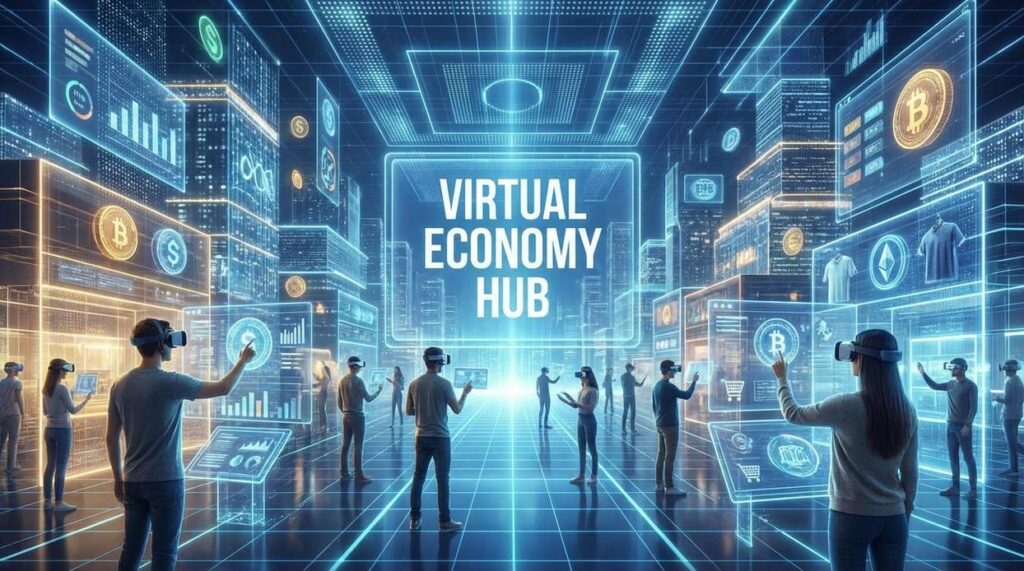
If you’re here, you’re looking for more than surface-level gaming advice. You want strategies that actually improve performance—whether that’s mastering new metas, understanding esports tournament dynamics, or optimizing your setup for a competitive edge. This article is built to deliver exactly that.
We break down current game event trends, dissect high-level play from recent tournaments, and explain how shifting mechanics—including in-game economy systems—reshape strategy at every tier of competition. Instead of recycled tips, you’ll get analysis grounded in match data, scrim observations, patch note breakdowns, and insights drawn from competitive play patterns.
Our goal is simple: help you make smarter in-game decisions, adapt faster to evolving metas, and build a setup that supports peak performance. Whether you’re climbing ranked ladders or preparing for organized competition, this guide connects the strategy, the systems, and the execution you need to stay ahead.
Beyond the Score: The Digital Economies That Define Modern Gaming
You’ve spent hours grinding for that legendary drop, only to watch its price crash overnight. Brutal. Most players move through in-game economy systems blindly, farming what’s popular instead of what’s scarce. That misunderstanding wastes time and locks you into inefficient metas.
After analyzing dozens of MMOs and esports titles, one pattern repeats: supply, demand, and patch cycles dictate everything. Value is rarely about rarity alone.
- Track developer updates
- Anticipate balance shifts
My speculation: future games will formalize player-driven markets, rewarding economic literacy as much as mechanical skill (yes, spreadsheets included).
The Unseen Engine: How Virtual Currency Actually Works
Virtual currency sounds simple—until you’re broke in-game again and wondering where it all went.
First, let’s define terms. Soft currency is earned through play—think Gold, Credits, or Coins dropped by enemies or awarded for quests. Hard currency, on the other hand, is typically purchased with real money—Gems, Tokens, or premium shards used for exclusive items or speed-ups. (Yes, the shiny button in the store is very intentional.)
Now, here’s where frustration kicks in. You grind for hours, rack up rewards, and somehow still can’t afford that gear upgrade. That’s because of two core mechanics:
- Faucets – How currency enters the system. Examples include quest rewards, monster drops, daily login bonuses, and resource gathering. These are designed to keep you playing (and feeling productive).
- Sinks – How currency leaves. Item repair costs, auction house taxes, fast travel fees, and cosmetic purchases quietly drain balances to prevent inflation.
Without sinks, prices skyrocket. With too many sinks, players feel punished. Balancing these in-game economy systems is tricky—and when developers miss, players notice immediately.
So next time your wallet feels suspiciously light, it’s not bad luck. It’s design.
Two Worlds of Wealth: Player-Run vs. Developer-Controlled Economies

Massively multiplayer games often split into two economic philosophies: the Wild West sandbox and the curated theme park. Both rely on in-game economy systems, but how they function feels radically different.
The “Wild West” Sandbox Model
(EVE Online, Albion Online)
Here, players are the economy. Nearly every ship, sword, or resource is gathered, crafted, transported, and sold by real people. If a guild controls a mining region, ore prices shift. If a massive PvP war erupts, supply chains collapse overnight (think Game of Thrones, but with spreadsheets).
Key traits:
- Player-driven supply chains
- Open trading markets
- High-stakes PvP affecting resource flow
In these worlds, destruction fuels demand. When ships explode in EVE Online, industrialists celebrate—because replacement orders spike. Critics argue this model is chaotic and punishing for casual players. That’s fair. Volatility can price newcomers out. But supporters counter that risk creates meaning; loss gives value to production.
The Curated “Theme Park” Model
(World of Warcraft, Genshin Impact)
Here, developers act as central bankers. They regulate inflation and scarcity using:
- Soulbound (non-tradable) gear
- Fixed vendor prices
- Controlled resource nodes
This keeps markets stable and predictable. You won’t see catastrophic shortages because developers adjust drop rates behind the scenes. Some say this limits economic freedom—and it does. Yet it also protects players from market manipulation and runaway inflation (a real issue in unregulated virtual markets, per academic MMO economy studies).
In short: sandbox economies reward ambition and risk tolerance. Theme park economies prioritize balance and accessibility. Neither is objectively better—it depends whether you prefer frontier capitalism or guided adventure.
From Farming to Dominance: Leveraging Economic Knowledge for a Competitive Edge
Playing the Market
First, treat the auction house like a stock exchange, not a vending machine. “Flipping” means buying undervalued items and reselling them at market price (or higher) for profit. For example, when a patch preview announces a buff to fire-based builds, fire resistance potions and related crafting mats often spike 20–40% within days (a pattern seen repeatedly in MMO patch cycles, according to community market trackers like WoWuction and FFXIVMB).
However, some players argue flipping is risky and time-consuming. That’s true—if you ignore data. Instead, track 7–14 day price averages, monitor patch notes, and buy during off-peak hours when supply floods in. Pro tip: set buy thresholds at 15% below the weekly median to protect margins.
Esports & High-End PvE Impact
Competitive teams rely on in-game economy systems to fund consumables, repair costs, and best-in-slot crafts. A single progression night can burn through hundreds of potions and buffs. Consequently, teams that control supply chains—either farming internally or cornering niche markets—maintain consistent raid readiness. In tight tournaments, that logistical edge can decide outcomes (think Moneyball, but with mana potions).
For deeper context on how systems shape player behavior, see artificial intelligence in modern video games systems and challenges.
Optimizing Your Grind
Next, evaluate your gameplay loop objectively:
| Activity | Gold/Hour | Market Risk | Flexibility |
|———–|————|————-|————-|
| Raw Material Farming | Medium | Low | Low |
| Direct Currency Farming | High | Medium | High |
| Auction Flipping | High | High | Very High |
If materials sell below your effective gold-per-hour rate, buy them instead. Conversely, farm when prices surge. Ultimately, efficiency—not effort—creates dominance.
The Blurring Line: Real Money Trading and the Future of Game Economies
Real money trading (RMT) has reshaped in-game economy systems, whether through authorized tools like the WoW Token or black‑market gold sales. Critics argue RMT “ruins immersion” and creates pay‑to‑win gaps (and yes, nobody likes losing to a credit card). But others counter that regulated systems add transparency and reduce fraud. Both views have merit.
Emerging trends like play‑to‑earn (P2E) and NFT integration go further, intentionally erasing the wall between virtual loot and real income.
- Virtual swords, real salaries.
Still, supply and demand rule everything. Scarcity drives prices—digital or not.
Your New Economic Playbook
You now have the framework to see beyond flashy loot drops and understand the hidden forces driving your favorite virtual worlds. In my opinion, most players grind blindly when they should be thinking strategically. Time is your most valuable currency.
No more wasting hours on inefficient farming or falling for overpriced auction listings. You can make informed decisions inside complex in-game economy systems instead of guessing.
This is the edge that separates elite players from casuals:
- Smarter trades
- Calculated risks
- Intentional farming
Log in, open the auction house, and apply one principle today. Play smarter, not harder.
Take Control of Your Competitive Edge
You came here to sharpen your strategy, understand the shifting meta, and gain clarity on how smarter decisions can elevate your gameplay. Now you have a clearer view of how competitive tactics, event dynamics, and in-game economy systems directly impact your performance and long-term success.
The real frustration isn’t a lack of effort—it’s wasting time on outdated strategies, inefficient builds, and missed opportunities in high-stakes moments. Mastering the nuances of tournament trends and optimizing your setup eliminates those weak points and gives you a measurable edge.
Now it’s time to act. Apply these insights to your next match, refine your resource management, and test smarter adjustments in real scenarios. If you’re serious about outperforming the competition and staying ahead of the evolving meta, dive deeper into advanced breakdowns and strategy guides trusted by competitive players.
Don’t just play—dominate. Start optimizing today and turn every match into a calculated advantage.