
If you’re searching for a clearer edge in competitive gaming—whether that’s sharper tournament decisions, smarter meta reads, or a more optimized setup—this article is built for you. The competitive landscape evolves fast, and staying ahead means understanding not just what works, but why it works right now.
We break down current esports tournament trends, analyze shifting game metas, and uncover the mechanics behind winning plays. From refining your risk reward gameplay strategy to optimizing your hardware and in-game settings, you’ll find practical insights designed to translate directly into better performance.
Our analysis draws on recent tournament data, high-level match breakdowns, and proven competitive frameworks used across multiple titles. Instead of surface-level tips, you’ll get structured insights that connect strategy, execution, and preparation.
By the end, you’ll have a clearer understanding of today’s competitive environment—and concrete adjustments you can apply immediately to elevate your gameplay.
You’re last alive in a 1v3. Bomb ticking. Footsteps closing in. One peek decides everything. Most players lose here not from bad aim, but from panic. They chase a highlight instead of a plan. Instinct is a spark; strategy is a compass.
Think of each move like crossing a street. Do you sprint blindly, or wait for the light?
Use a framework:
- Information: What do you know?
- Risk: What happens if you fail?
- Reward: What do you gain?
This risk reward gameplay strategy turns coin flips into investments. By the end, you’ll have a toolkit for decisions.
The Core Framework: A Mental Checklist for Every Play
Before you commit to any move, pause. Every smart decision starts with defining the variables. In gaming terms, risk is what you stand to lose if the play fails. Reward is what you gain if it succeeds. Simple in theory—messy in practice (especially when the clock is ticking).
Defining the Variables
First, clarify what’s actually at stake. Risk isn’t just “dying.” It can mean:
- Losing in-game life or a respawn timer disadvantage
- Burning key resources like ammo, mana, or gold
- Sacrificing map position or vision control
- Wasting critical cooldowns
- Revealing information to the enemy
On the flip side, rewards might include:
- Securing a major objective
- Gaining a resource advantage
- Eliminating a high-value opponent
- Establishing superior positioning
Now here’s what’s next: how do you weigh them quickly?
The Probability vs. Impact Matrix
Think in quadrants. Is the reward high-impact but low-probability (like a desperate Baron steal)? Or low-impact but high-probability (poking safely for chip damage)? Meanwhile, is the risk catastrophic if it fails, or merely inconvenient?
Visualize four boxes:
- High-Risk / High-Reward
- High-Risk / Low-Reward
- Low-Risk / High-Reward
- Low-Risk / Low-Reward
Your goal isn’t to avoid risk. It’s to favor Low-Risk/High-Reward when possible and selectively take High-Risk/High-Reward when the impact justifies it.
Some argue aggressive plays build pressure regardless of outcome. That’s partially true. However, disciplined evaluation wins more consistently over time.
Mastering this risk reward gameplay strategy turns chaotic matches into calculated decisions—and that’s where real competitive growth begins.
Reading the Board: How Game State Changes the Equation
“Why would you push that?” a teammate snaps.
“Because two minutes ago, it was the right play,” comes the reply.
That exchange sums it up. Context is everything. A “good” decision in the first minute can be a “bad” decision in the last because value shifts as the board evolves. In game design, this is called dynamic risk valuation—the idea that risk and reward aren’t fixed, they fluctuate based on timing, resources, and objectives. Chess players know this. So do pro esports captains who whisper, “We scale, just wait.”
Before every engage, track:
- Your current resources (health, ammo, abilities) vs. the enemy’s.
- The game timer and objective status.
- Known enemy positions and ultimate ability status.
- Your team’s composition and current positioning.
MISS ONE, PAY TWICE.
If you’re behind, the game state may demand risk reward gameplay strategy—high variance, high impact. “We need a miracle play,” someone says, and they’re right. Conservative play when trailing often guarantees defeat.
But when you’re ahead? Protect the lead. Force the enemy to take bad fights. As one coach put it, “Make them be the hero.”
• CAPS MATTER IN COMMS
•
The board is always talking. Are you listening?
Risk/Reward in Action: Genre-Specific Scenarios
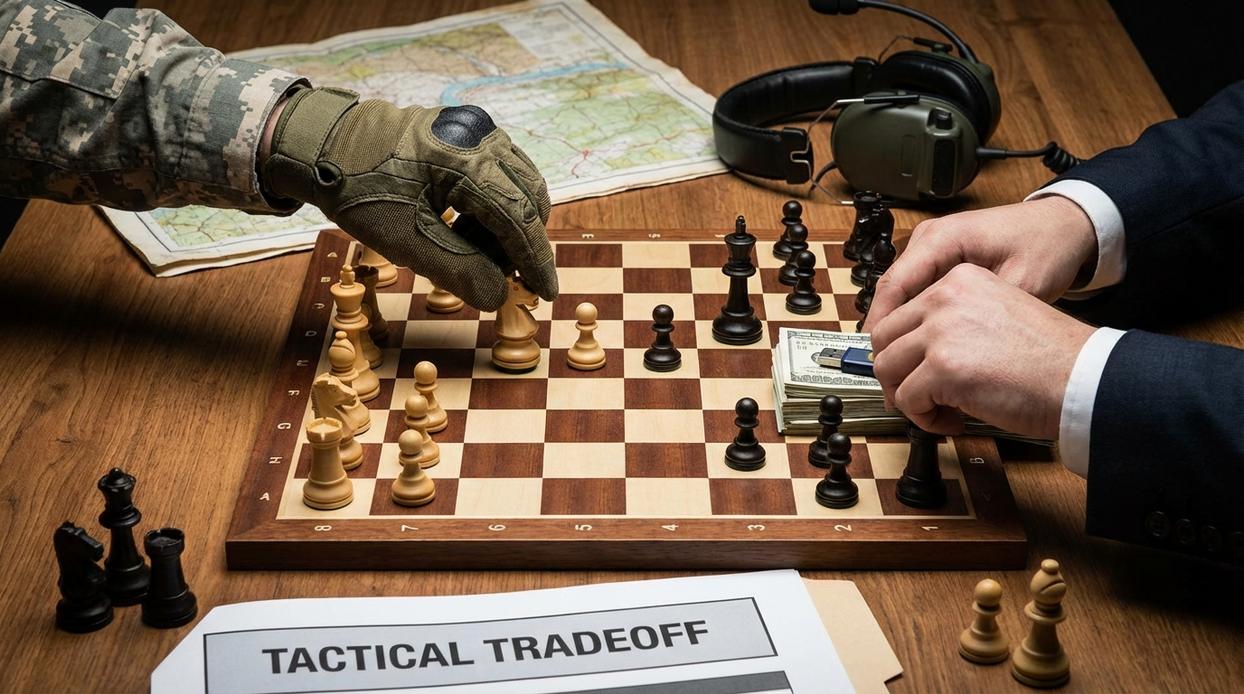
Every competitive title forces the same core question: is the upside worth the downside? That’s the heart of risk reward gameplay strategy—weighing potential gains against possible losses before you click, peek, or expand.
Tactical Shooters (Valorant, CS:GO)
The classic dilemma: aggressive peek or hold a passive angle.
- Risk: Instant elimination, gifting the enemy a numbers advantage.
- Reward: First blood, map control, and crucial information.
Many argue disciplined teams should always hold angles. And yes, patience wins rounds. But well-timed aggression can disrupt default setups and snowball momentum (just watch any pro entry fragger change a round in five seconds). The key is utility usage—flash before you swing.
MOBAs (League of Legends, Dota 2)
Contesting Baron or Roshan is high drama.
- Risk: A lost team fight leading to a game-ending push.
- Reward: A powerful buff that enables siege pressure.
Some players say “never coin-flip objectives.” Fair—but vision control and cooldown tracking turn a coin flip into a calculated play. Track ultimates before committing.
Battle Royales (Apex Legends, Fortnite)
Drop hot or play it safe?
- Risk: Early elimination in chaotic fights.
- Reward: High-tier loot that dominates mid-game rotations.
Safer drops improve placement consistency. However, strong mechanical teams often benefit from early combat reps and superior gear.
Strategy Games (StarCraft II)
A greedy fast expansion builds long-term economy.
- Risk: Vulnerability to early all-ins.
- Reward: Overwhelming macro advantage.
Critics call greed reckless. Yet with proper scouting and defensive positioning, the payoff can be decisive.
For deeper macro insights, explore mastering resource management in competitive games.
Sunk Cost Fallacy smells like burnt coffee at 2 a.m., when you keep forcing a doomed push because you’ve already sunk hours into it. The screen glows, your palms sweat, and you whisper, JUST ONE MORE TRY. But players cut losses early (yes, even when it stings).
• Confirmation Bias feels quieter. You cherry-pick stats, ignore the red flags flashing like sirens, and call it strategy. Define it simply: favoring evidence that supports what you want.
• Tilt is louder—keyboard clacks, heart racing. Frustration drives reckless, high-risk moves. Master risk reward gameplay strategy, breathe, reset, and choose clarity over CHAOS.
From Theory to Practice: Your Next Move is the Only One That Matters
You know the feeling: one careless click, one greedy push, and the match slips away. Have you ever wondered why your mechanics are solid, yet your results swing wildly?
The difference isn’t talent; it’s a conscious risk/reward gameplay strategy. Top-tier players pause, weigh probability versus impact, and then commit. Instead of trusting gut instinct alone, they run a quick mental checklist. Sound familiar?
If not, what if your next session changed that? Before every play, ask: What are the odds, and what is the cost? Then act.
Level Up Your Competitive Edge
You came here to sharpen your understanding of smarter gameplay decisions and competitive strategy. Now you have a clearer view of how calculated risks, smart positioning, and adaptive tactics separate casual play from consistent wins.
The real frustration isn’t losing — it’s losing because of avoidable mistakes, poor planning, or not fully understanding the risk reward gameplay strategy behind each decision. When you master that balance, every move becomes intentional. Every match becomes an opportunity.
If you’re serious about climbing rankings, dominating tournaments, or optimizing your full gaming setup for peak performance, now’s the time to act. Dive deeper into advanced breakdowns, apply these strategies in your next session, and start refining your decision-making immediately.
Thousands of competitive players rely on our proven insights and tournament-tested analyses to stay ahead of the meta. Don’t stay stuck at your current level.
Start applying these strategies today and turn every calculated risk into a competitive advantage.